Overview
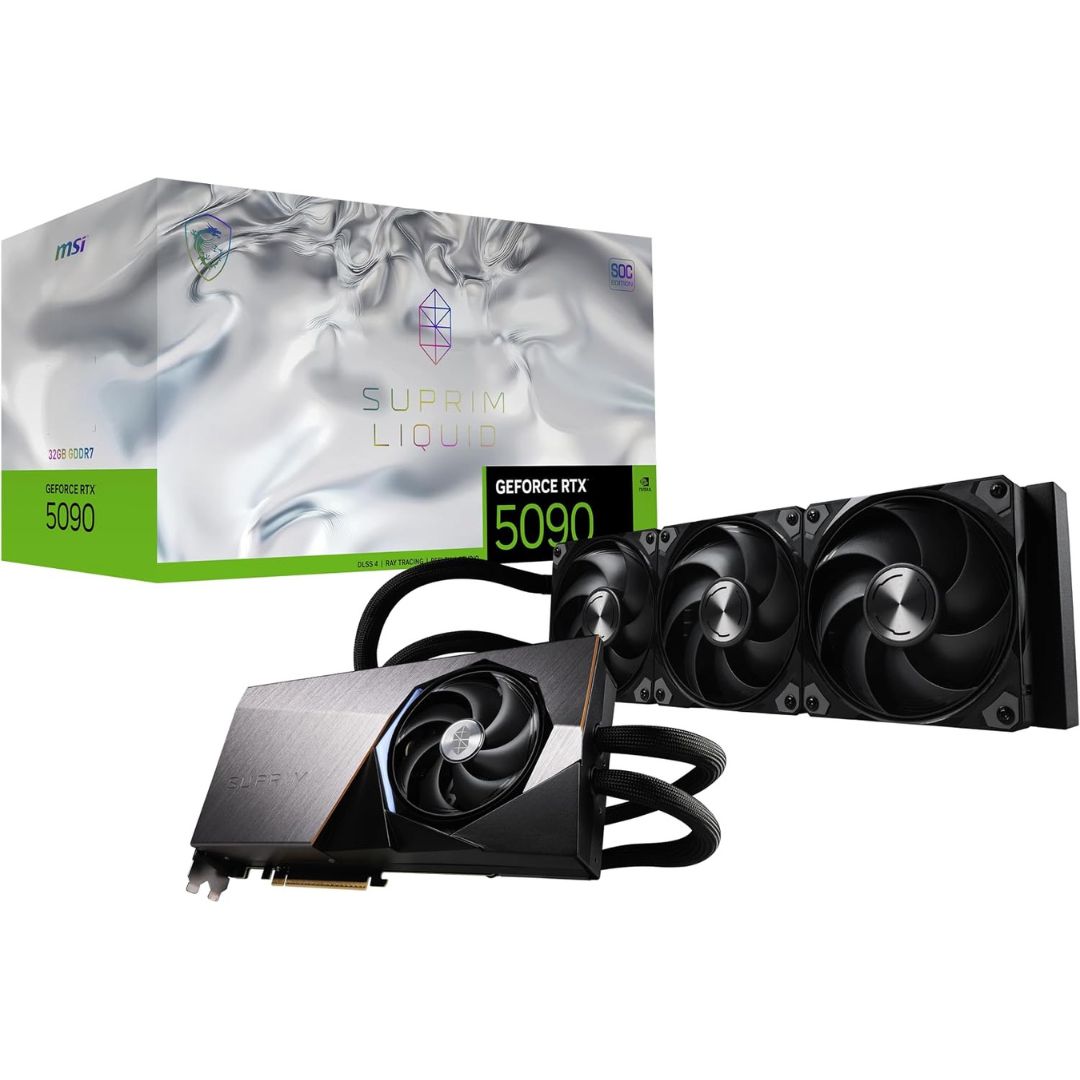
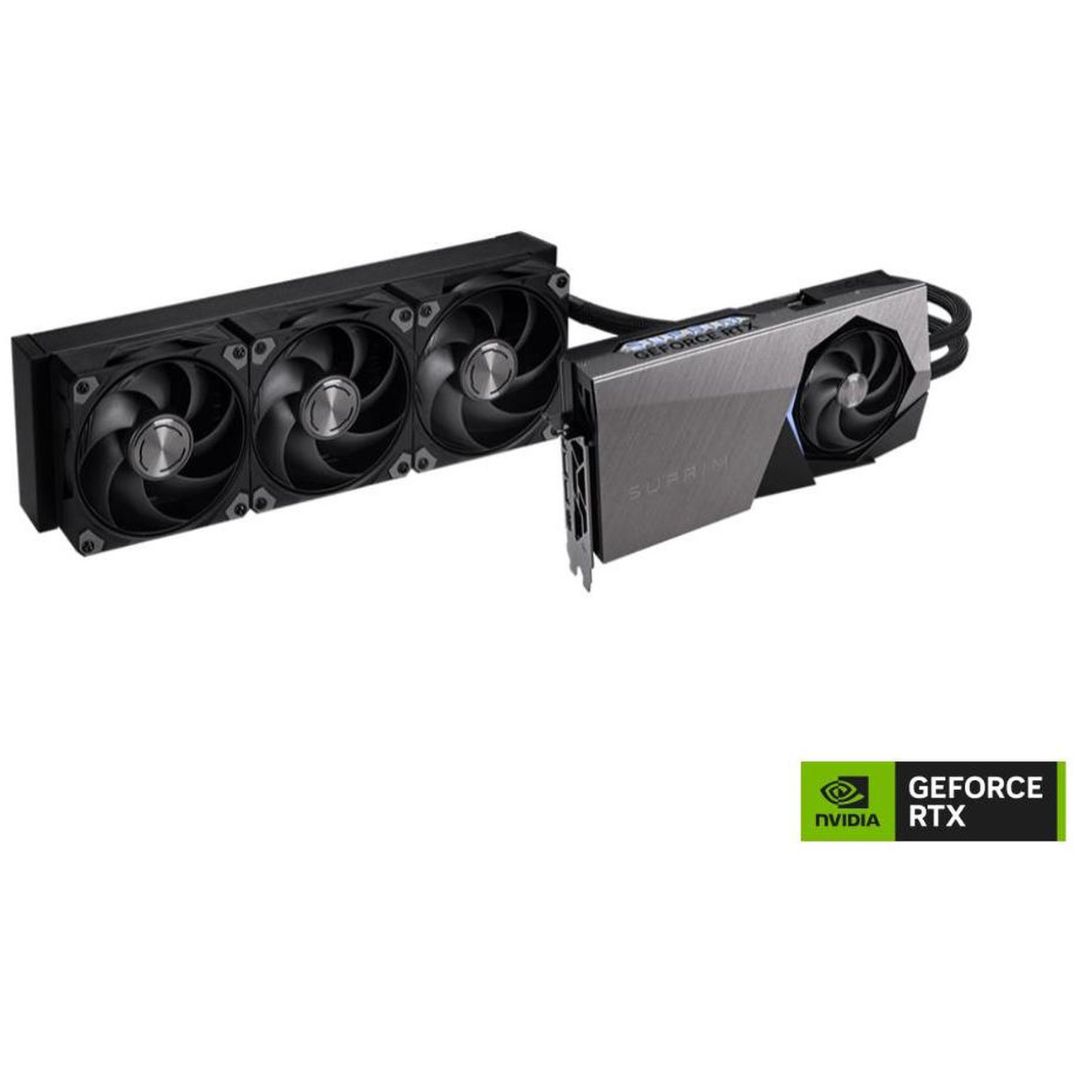
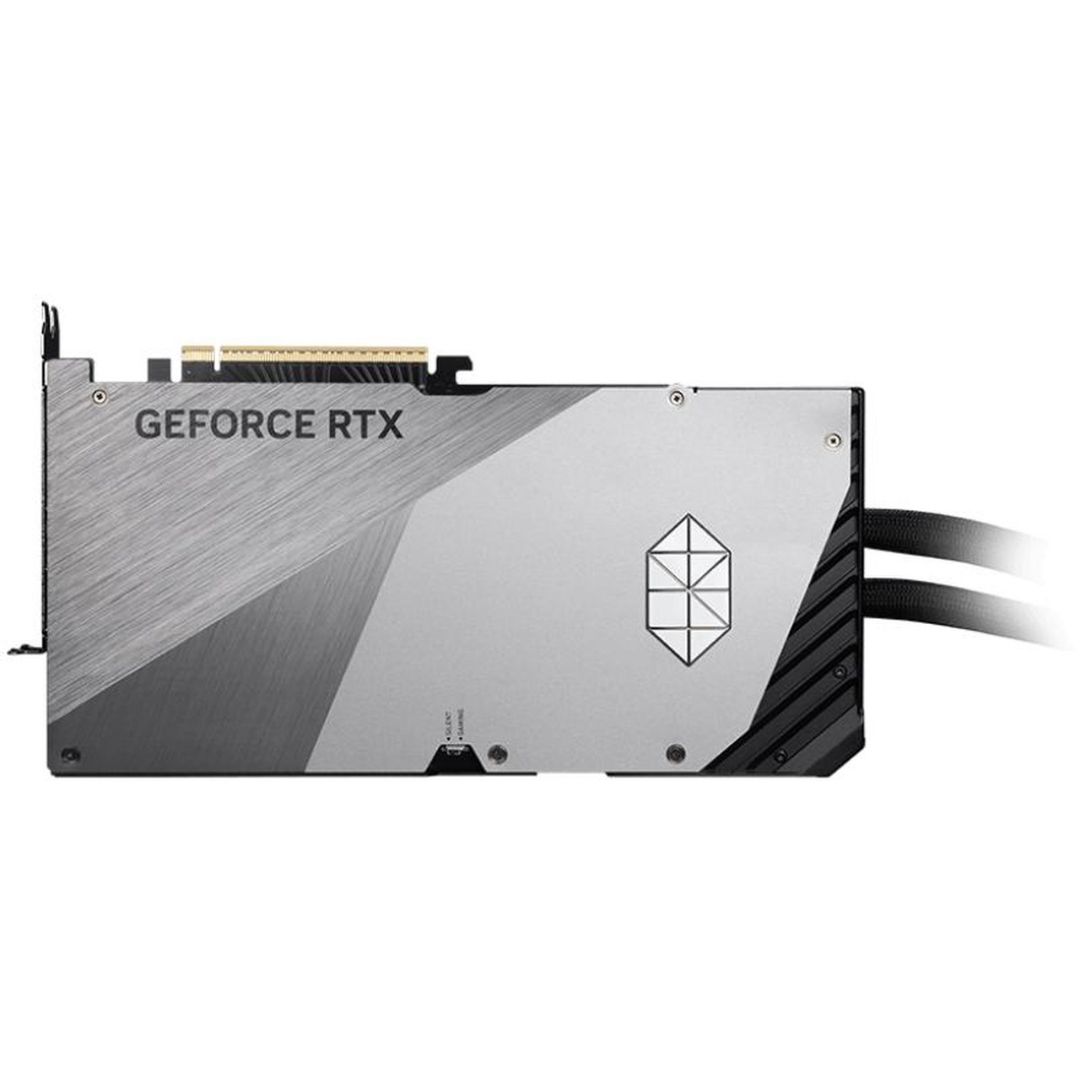
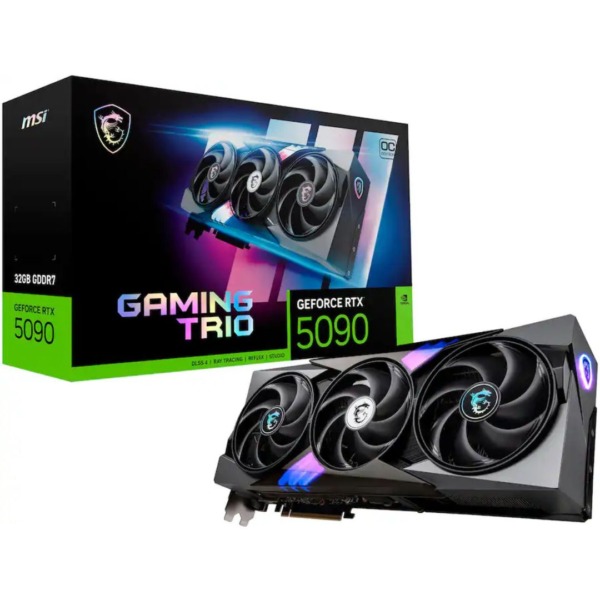
The MSI GeForce RTX 5090 SUPRIM LIQUID SOC is aimed at builders who deliberately want an RTX 5090 with factory-integrated liquid cooling. It pairs 32GB GDDR7 with a hybrid cooler and an attached 360 mm radiator. The radiator moves a major part of the heat-dissipation assembly away from the card, but it makes case planning central to the purchase. Confirm the radiator mount, fan clearance and tubing path before deciding that it will fit.
Graphics architecture
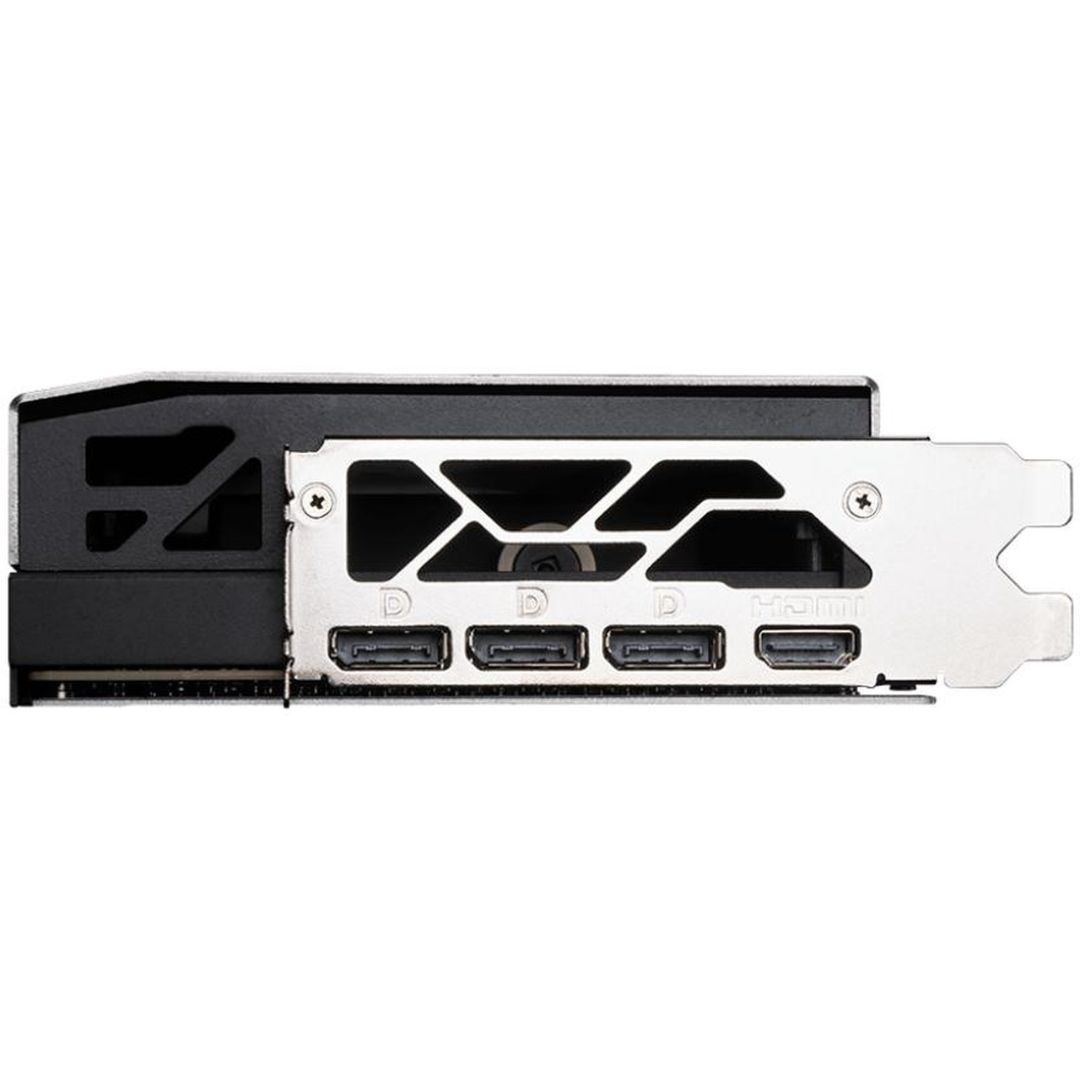
At the center of this board is the GeForce RTX 5090, with 21,760 CUDA cores and a PCIe 5.0 host interface. Dedicated 32GB GDDR7 gives the processor room for graphics assets and supported computational data. The 512-bit interface describes the width of the connection between the GPU and its on-board memory; it does not, by itself, predict a particular frame rate. Architecture, clocks, software optimization and thermal conditions also matter. Consult the maker�s current specification sheet for exact clock profiles, output connectors and supported features of this part number.
Gaming experience
In games that support its features, this GPU can accelerate demanding scenes, complex lighting and high-resolution assets. NVIDIA ray tracing and supported DLSS options depend on the title and installed driver; availability varies by application. A display capable of the intended resolution and refresh rate, appropriate cables and a balanced processor are important parts of the build. Published benchmark numbers from another computer cannot guarantee the same results in yours. Choose settings based on visual preference, target responsiveness and the performance of the complete system rather than the GPU name alone.
Cooling and chassis planning
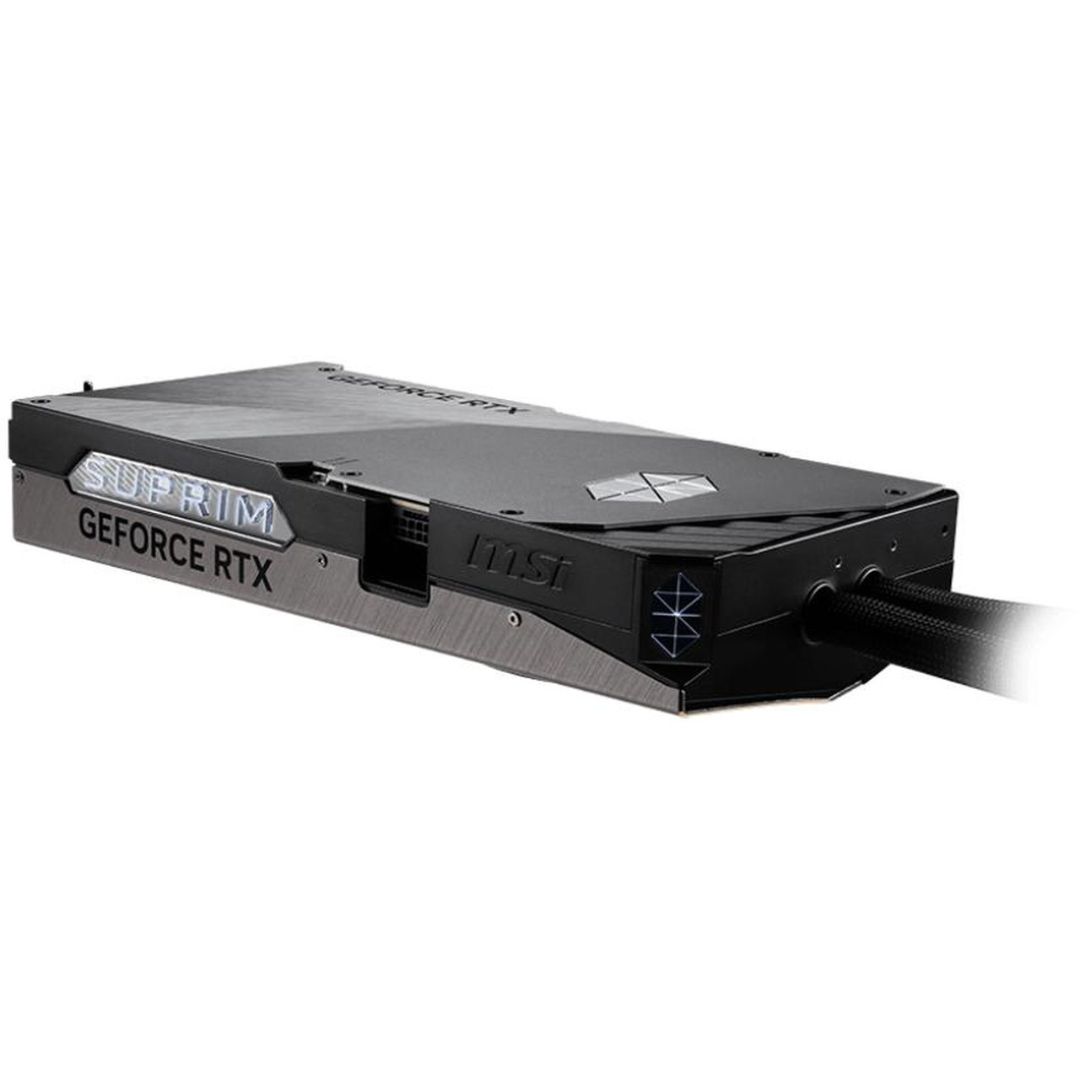
The 360 mm radiator is the defining feature of this SUPRIM LIQUID SOC. The card may take less expansion-slot space than a very thick air-cooled alternative, yet its radiator and fans need their own clear mounting location. A top mount can interfere with motherboard heatsinks or memory; a front mount can reduce usable GPU space. Check tubing reach without twisting or forcing the hoses, and plan airflow through both the radiator and the rest of the chassis. Treat the cooler as a complete factory assembly; do not describe it as a user-fillable custom water loop.
Creative work
The 32GB GDDR7 capacity may be useful for compatible video editing, 3D rendering, animation and visual effects projects that keep substantial working data in GPU memory. Application support is decisive: a program may use the GPU for some tasks while using the CPU for others. Export settings, project complexity, plug-ins and driver versions influence the result. Review the requirements of the software you actually use, especially if its vendor publishes a supported GPU list. A larger memory figure is useful only when the workflow can access and benefit from that capacity.
AI and development
Developers can consider this NVIDIA card for applications that explicitly support the appropriate CUDA and related acceleration stack. Local inference, experimentation and development are possible only when the software, drivers and model requirements fit the system. Model size, numerical precision and context length can change memory use considerably. Do not assume that a stated memory capacity guarantees that any particular AI model will run at a given speed. For mission-critical deployments, confirm software support, operational needs and any specialized enterprise requirements before selecting consumer graphics hardware.
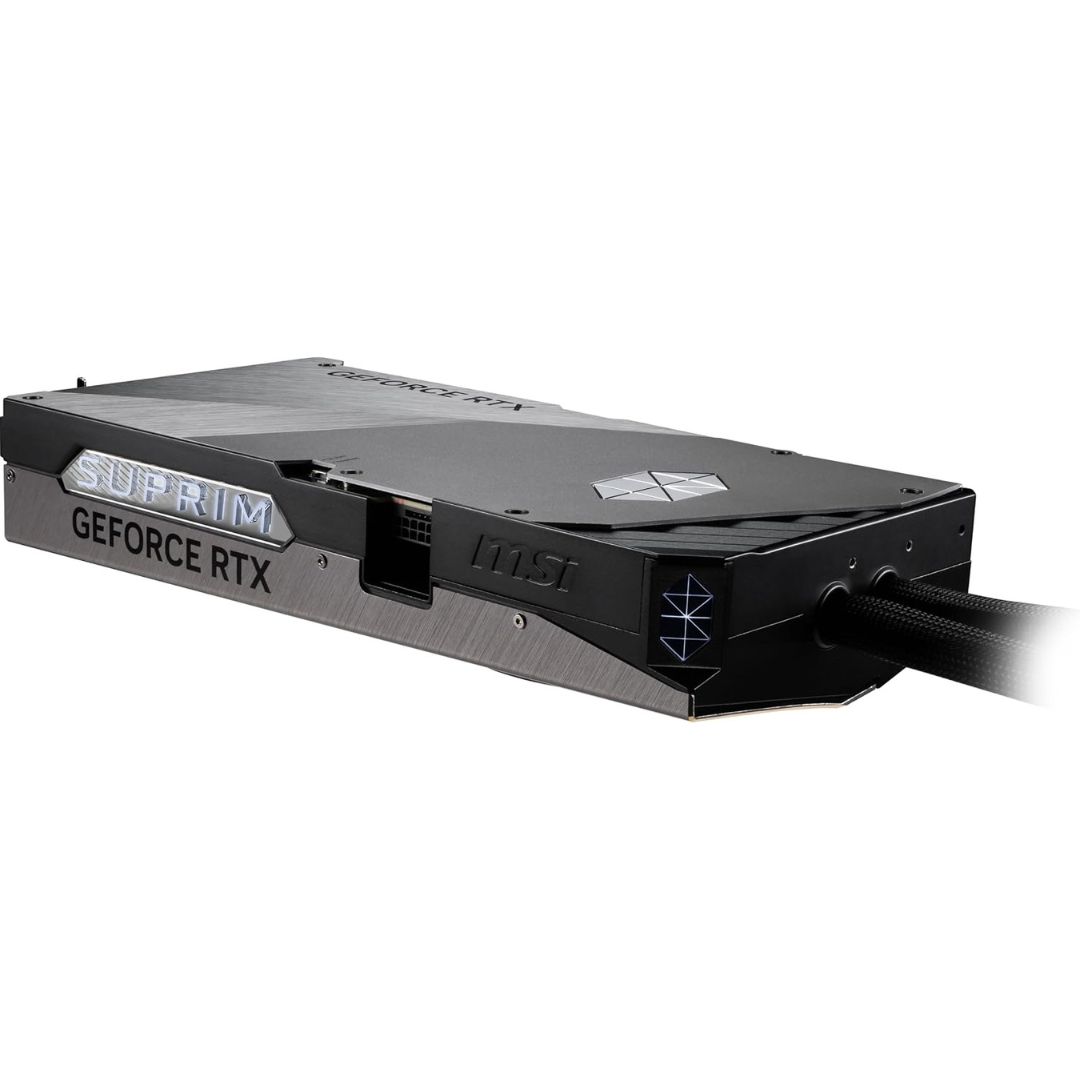
Power and installation
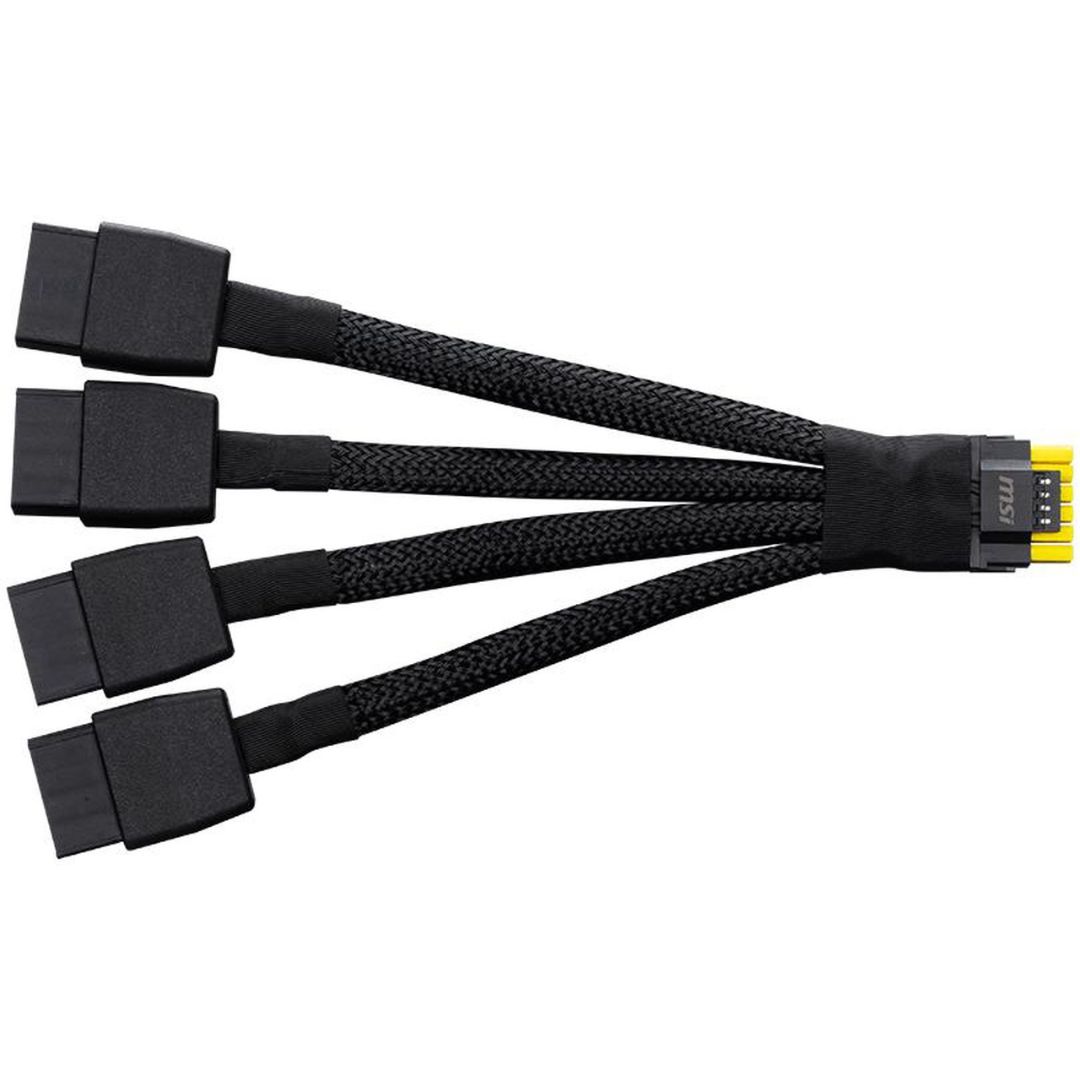
Verify radiator dimensions and mounting position, tubing reach, airflow, and the compatible 16-pin supply connection before ordering. Confirm the power supply�s total capacity, quality, connector type and the cable routing specified by its maker. Do not force or sharply bend a high-power connector close to the socket. Leave room for airflow and access to neighboring components. Before installing, update the appropriate GPU driver and follow the card maker�s setup instructions.