Overview
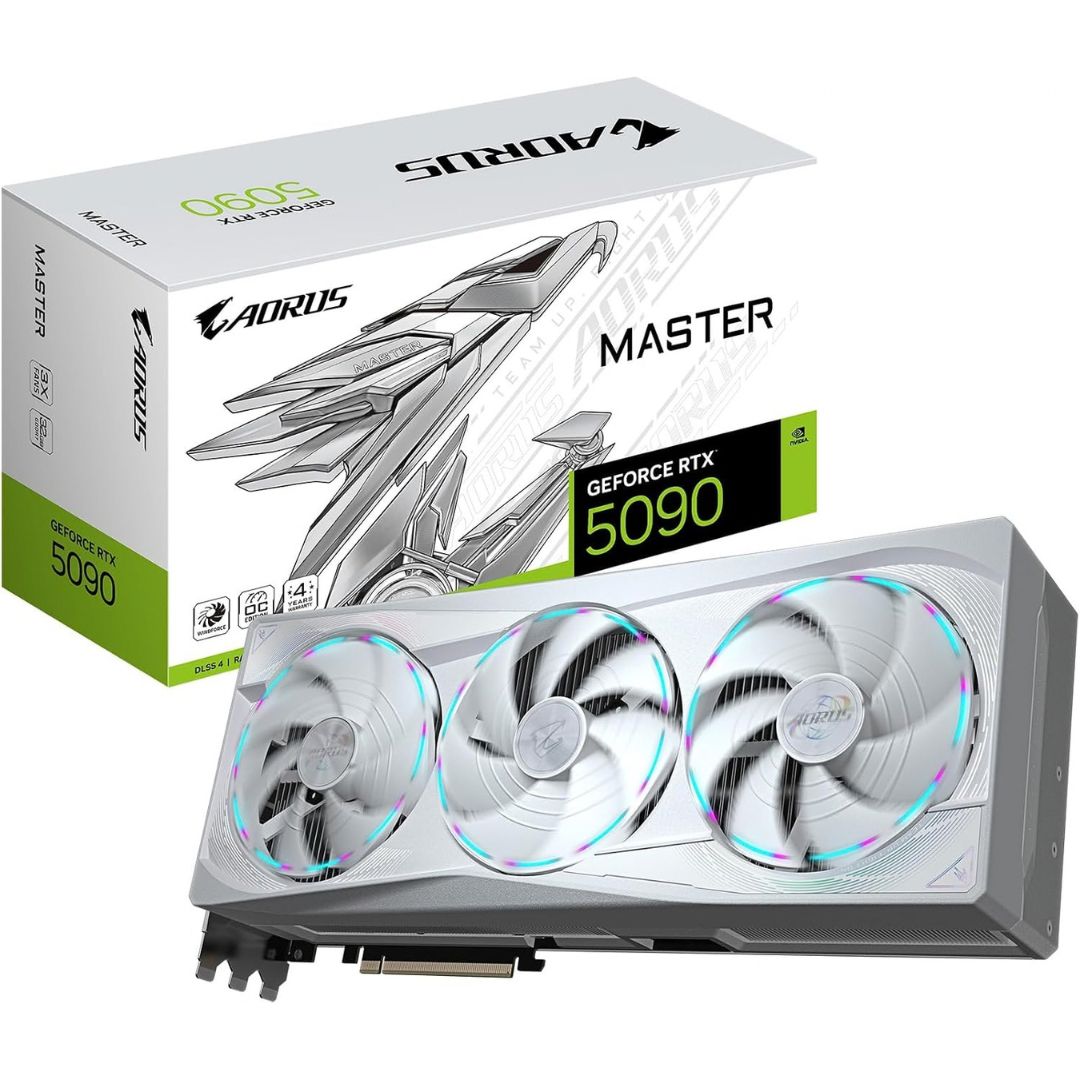
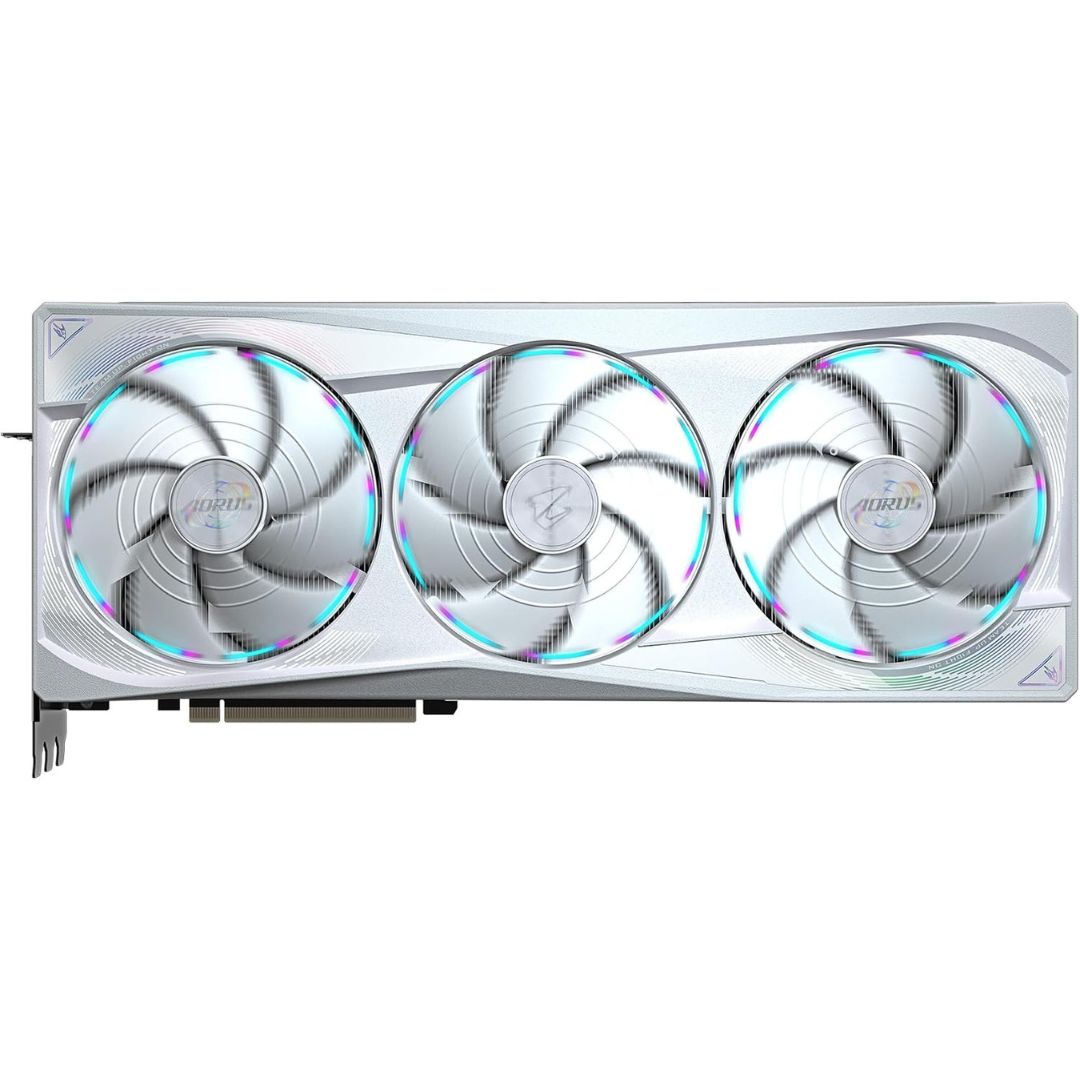
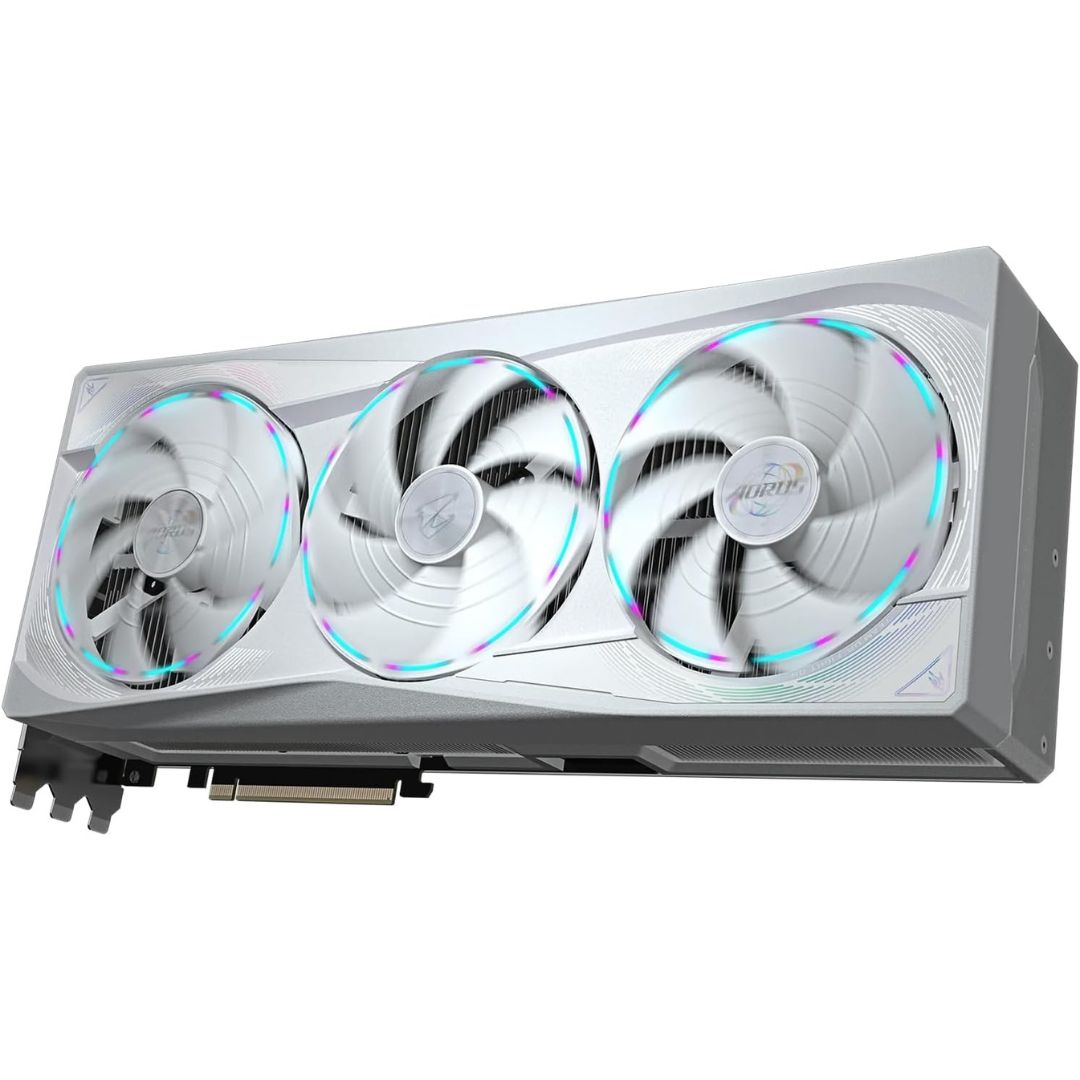
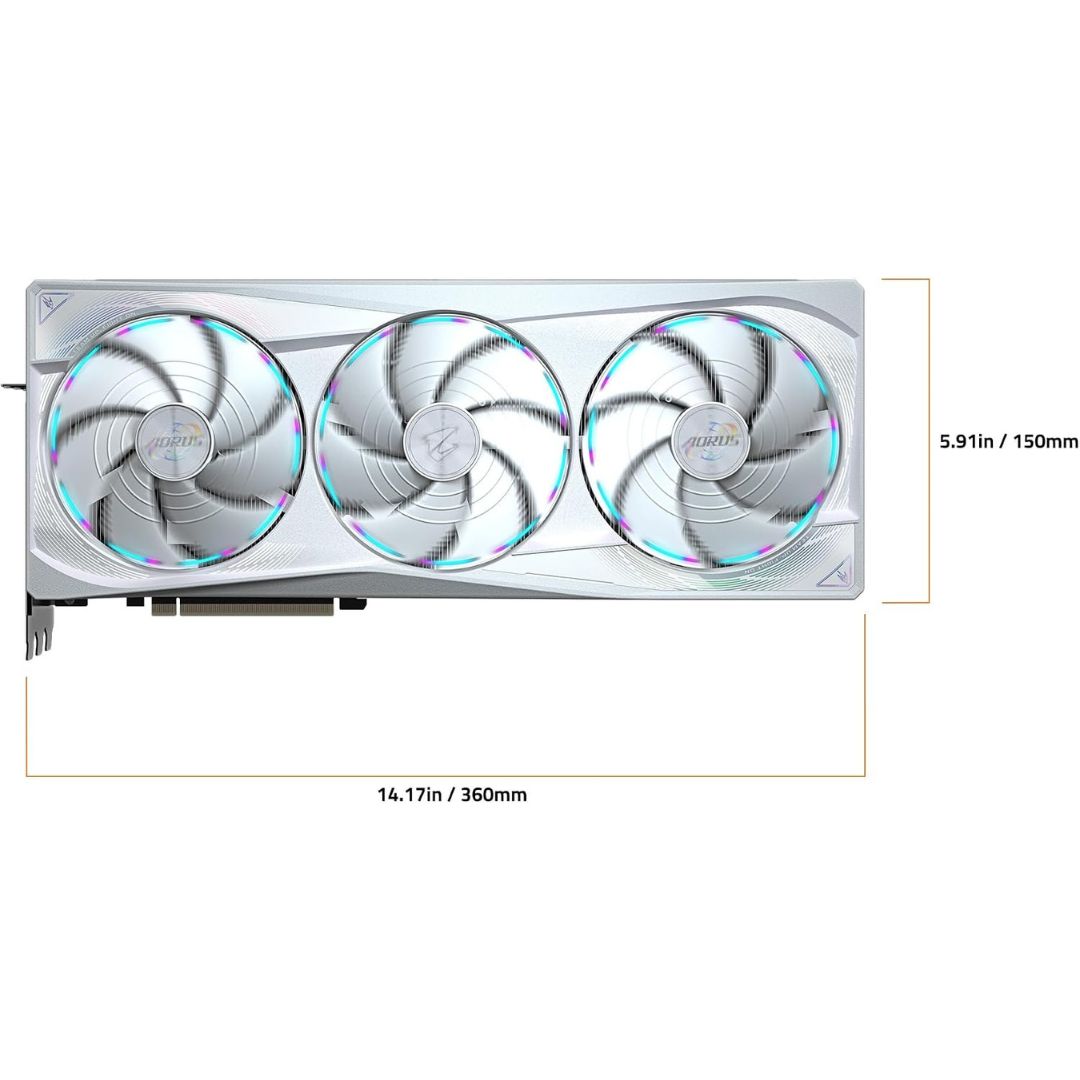
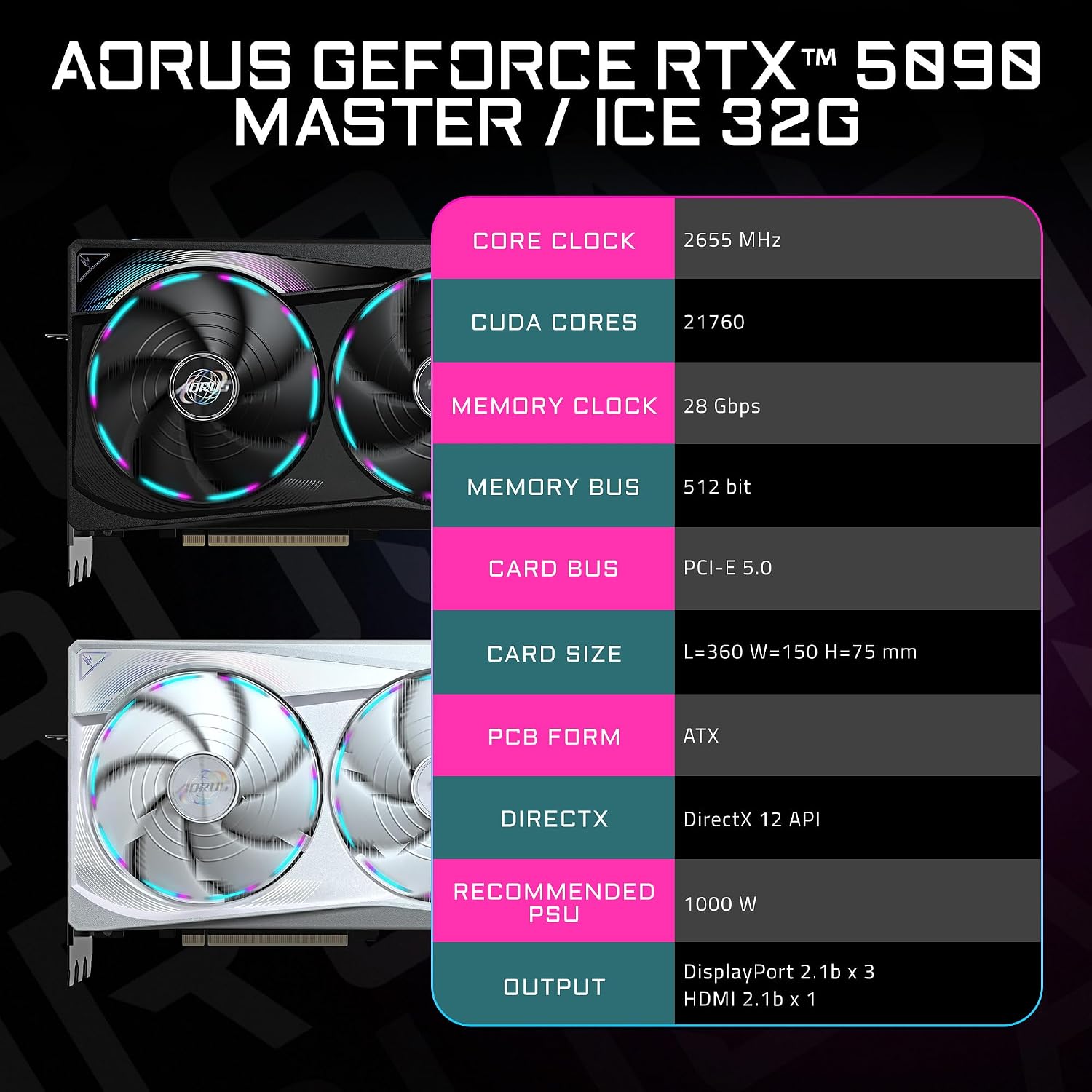
The GIGABYTE AORUS GeForce RTX 5090 MASTER ICE combines flagship RTX 5090 hardware with a light-colored exterior for a coordinated PC build. Its 32GB GDDR7 and 512-bit memory interface serve supported high-resolution games and GPU-accelerated creative applications. GIGABYTE's WINDFORCE cooling system, LCD edge display and selectable Performance or Silent BIOS distinguish this board from a generic RTX 5090. It is a particularly relevant choice when the appearance of the GPU matters inside a windowed white build. The visual design comes with a practical constraint: GIGABYTE lists a 360 � 150 � 75 mm board. Confirm that the chassis, front cooling hardware and graphics power connector leave enough room.
Graphics architecture
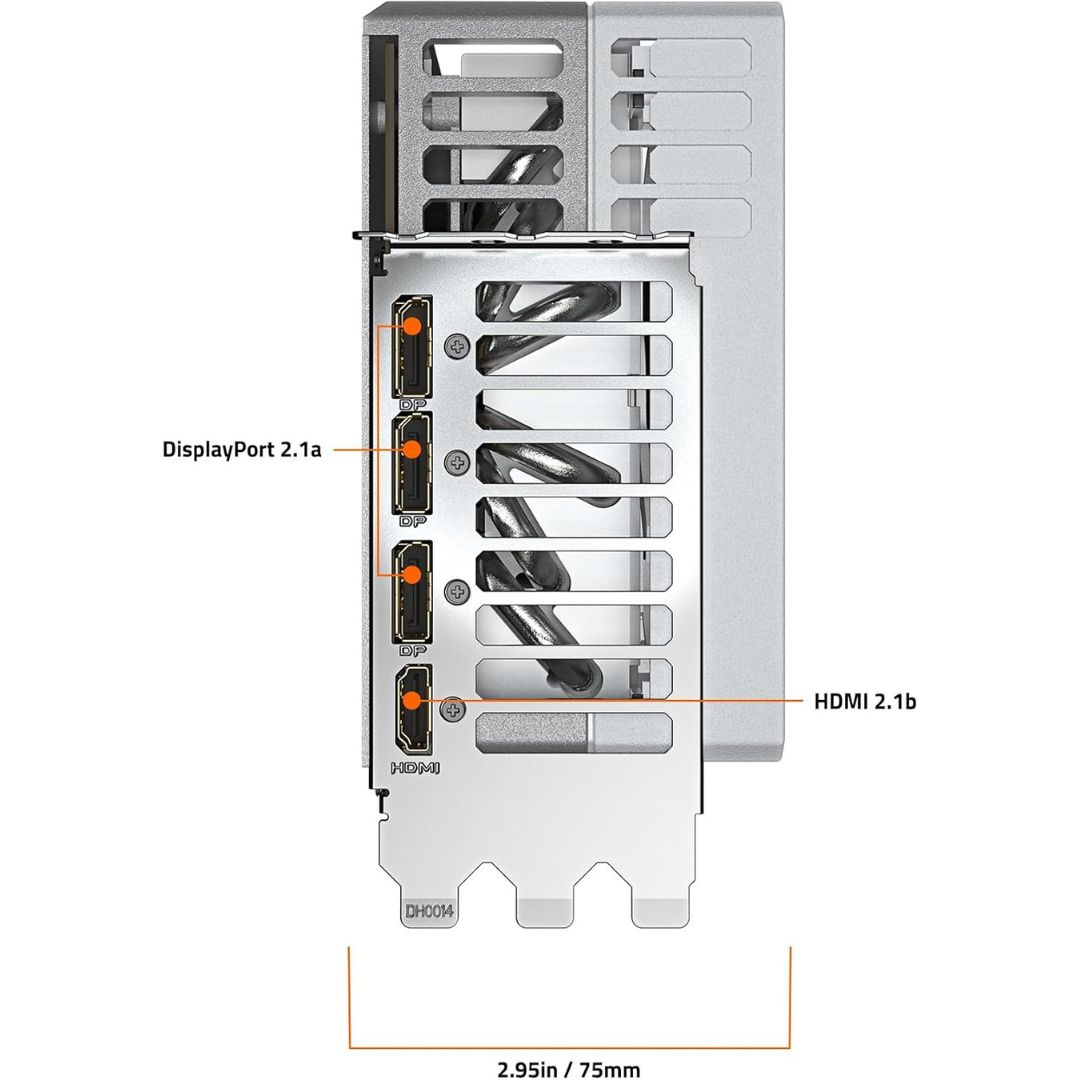
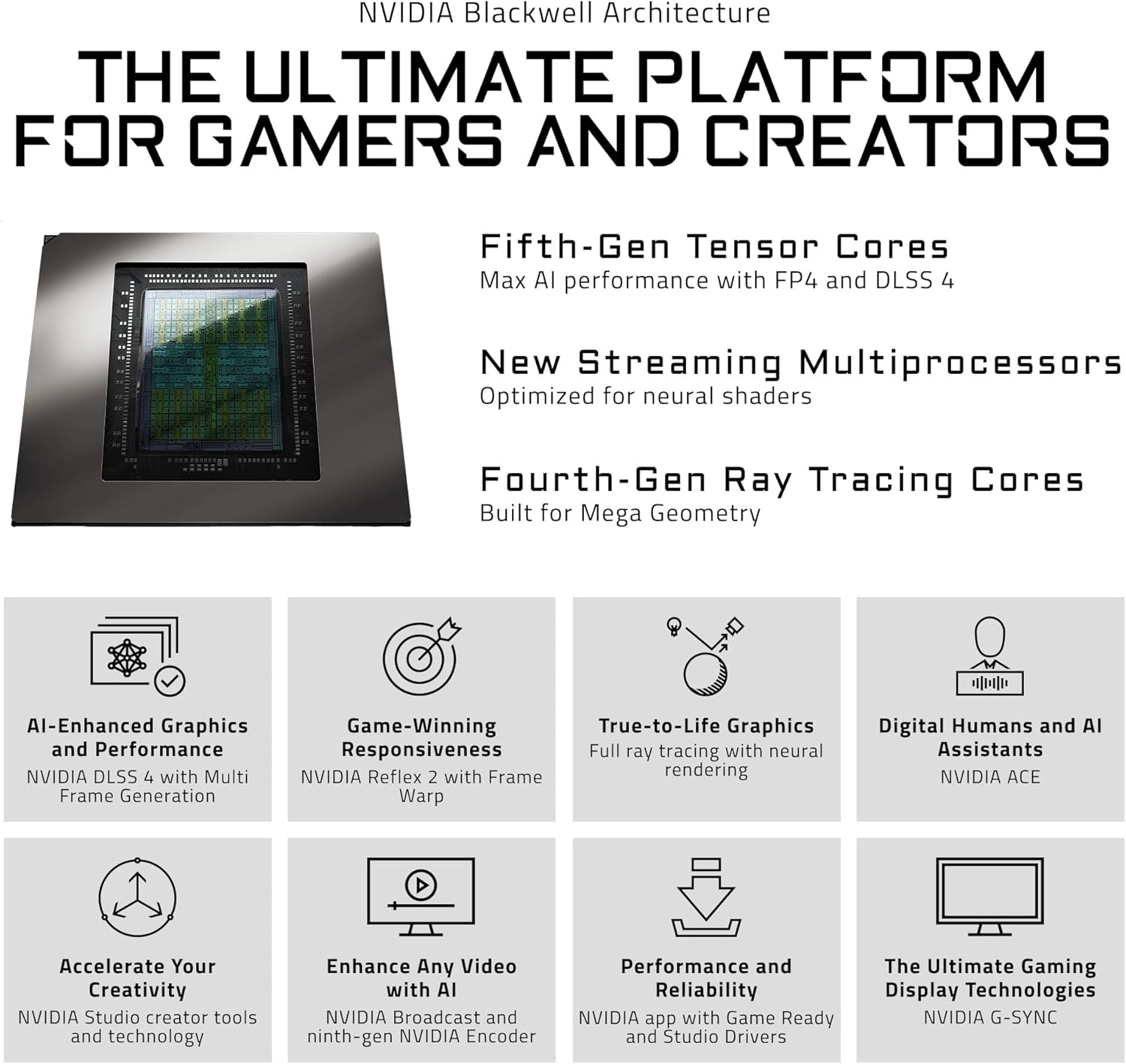
At the center of this board is the GeForce RTX 5090, with 21,760 CUDA cores and a PCIe 5.0 host interface. Dedicated 32GB GDDR7 gives the processor room for graphics assets and supported computational data. The 512-bit interface describes the width of the connection between the GPU and its on-board memory; it does not, by itself, predict a particular frame rate. Architecture, clocks, software optimization and thermal conditions also matter. Consult the maker�s current specification sheet for exact clock profiles, output connectors and supported features of this part number.
Gaming experience
In games that support its features, this GPU can accelerate demanding scenes, complex lighting and high-resolution assets. NVIDIA ray tracing and supported DLSS options depend on the title and installed driver; availability varies by application. A display capable of the intended resolution and refresh rate, appropriate cables and a balanced processor are important parts of the build. Published benchmark numbers from another computer cannot guarantee the same results in yours. Choose settings based on visual preference, target responsiveness and the performance of the complete system rather than the GPU name alone.
Cooling and chassis planning
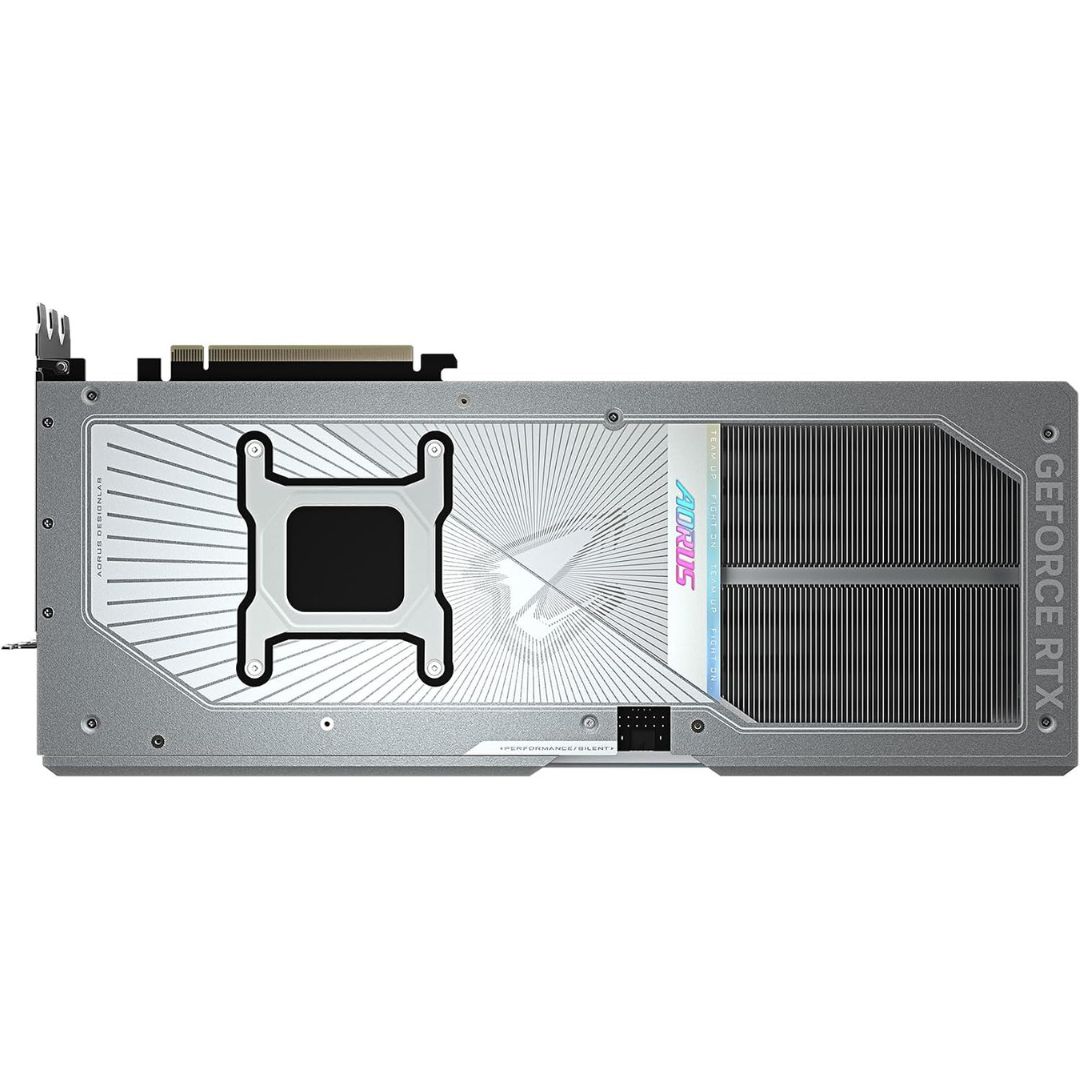
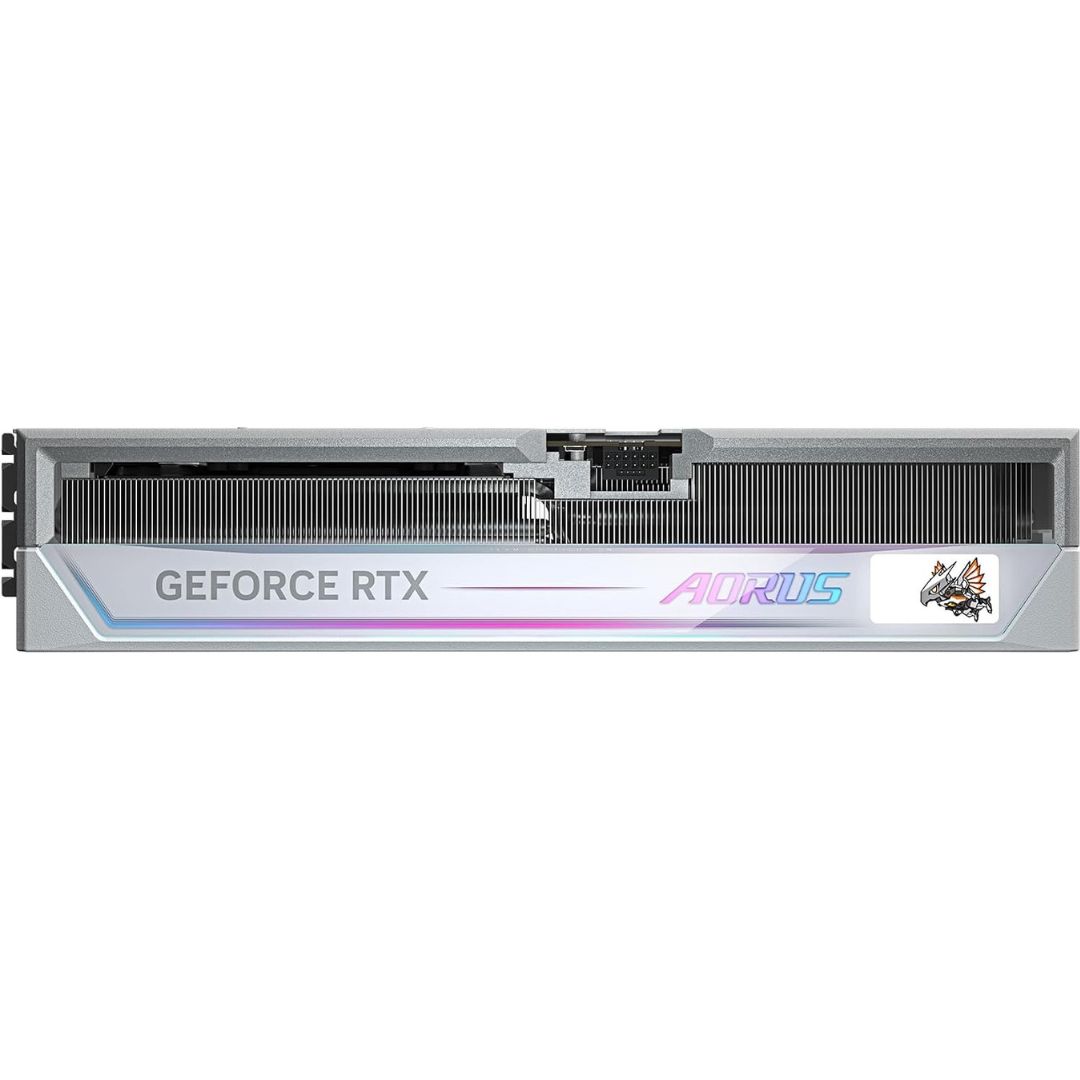
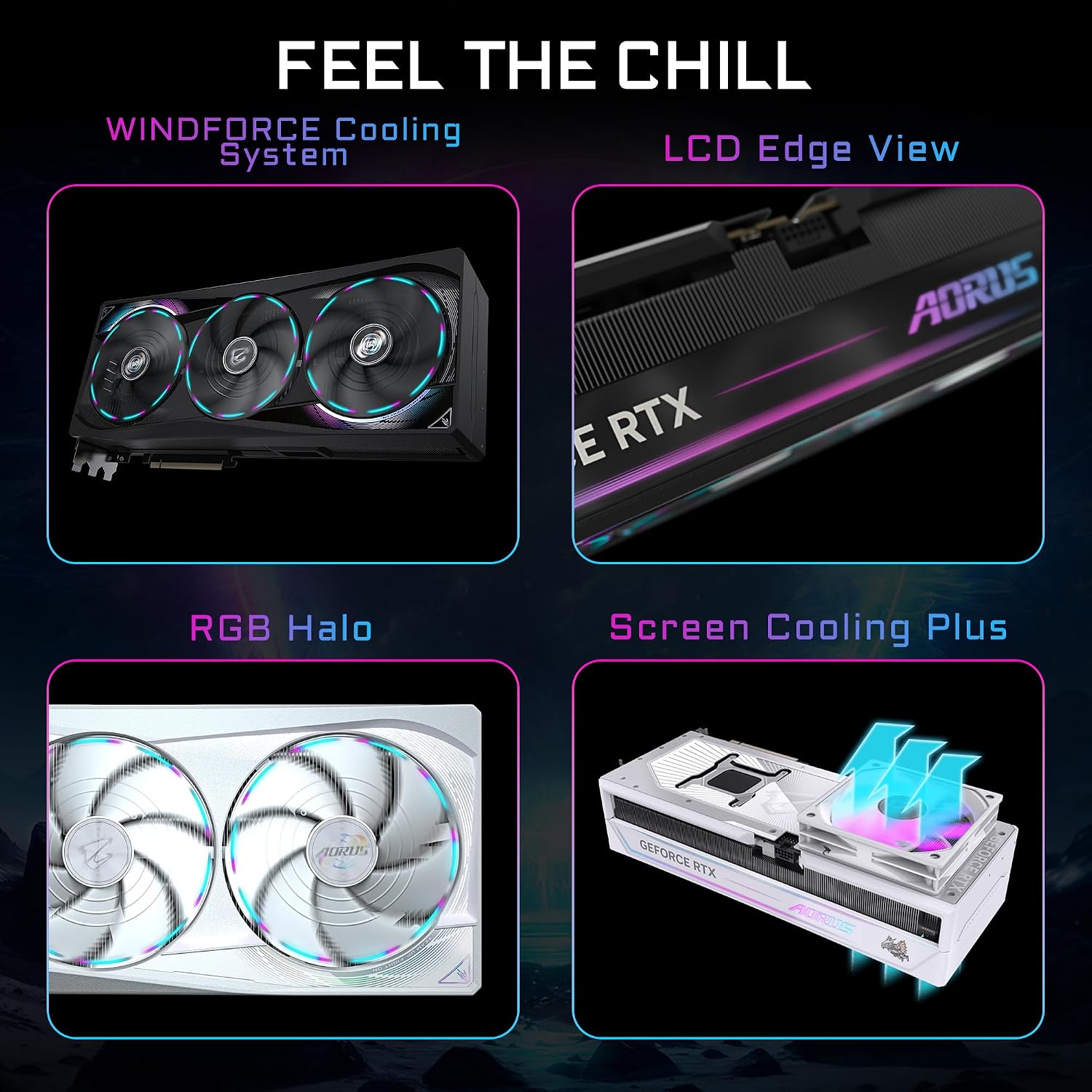
MASTER ICE uses GIGABYTE's WINDFORCE cooling system and offers a dual BIOS with Performance and Silent modes. The LCD edge display and RGB lighting add visual options for a showcase build; confirm software control and visibility in your chosen mounting position. At 360 mm long and 75 mm thick, this is not a small card. Measure clearance from the rear bracket to front-mounted fans or radiator, and leave enough space at the side panel for the 16-pin power cable. GIGABYTE lists a recommended 1,000W power supply for the named model.
Creative work
The 32GB GDDR7 capacity may be useful for compatible video editing, 3D rendering, animation and visual effects projects that keep substantial working data in GPU memory. Application support is decisive: a program may use the GPU for some tasks while using the CPU for others. Export settings, project complexity, plug-ins and driver versions influence the result. Review the requirements of the software you actually use, especially if its vendor publishes a supported GPU list. A larger memory figure is useful only when the workflow can access and benefit from that capacity.
AI and development
Developers can consider this NVIDIA card for applications that explicitly support the appropriate CUDA and related acceleration stack. Local inference, experimentation and development are possible only when the software, drivers and model requirements fit the system. Model size, numerical precision and context length can change memory use considerably. Do not assume that a stated memory capacity guarantees that any particular AI model will run at a given speed. For mission-critical deployments, confirm software support, operational needs and any specialized enterprise requirements before selecting consumer graphics hardware.
Power and installation
The 360 mm length is a practical constraint; check front fan or radiator clearance as well as cable space at the power connector. Confirm the power supply�s total capacity, quality, connector type and the cable routing specified by its maker. Do not force or sharply bend a high-power connector close to the socket. Leave room for airflow and access to neighboring components. Before installing, update the appropriate GPU driver and follow the card maker�s setup instructions.